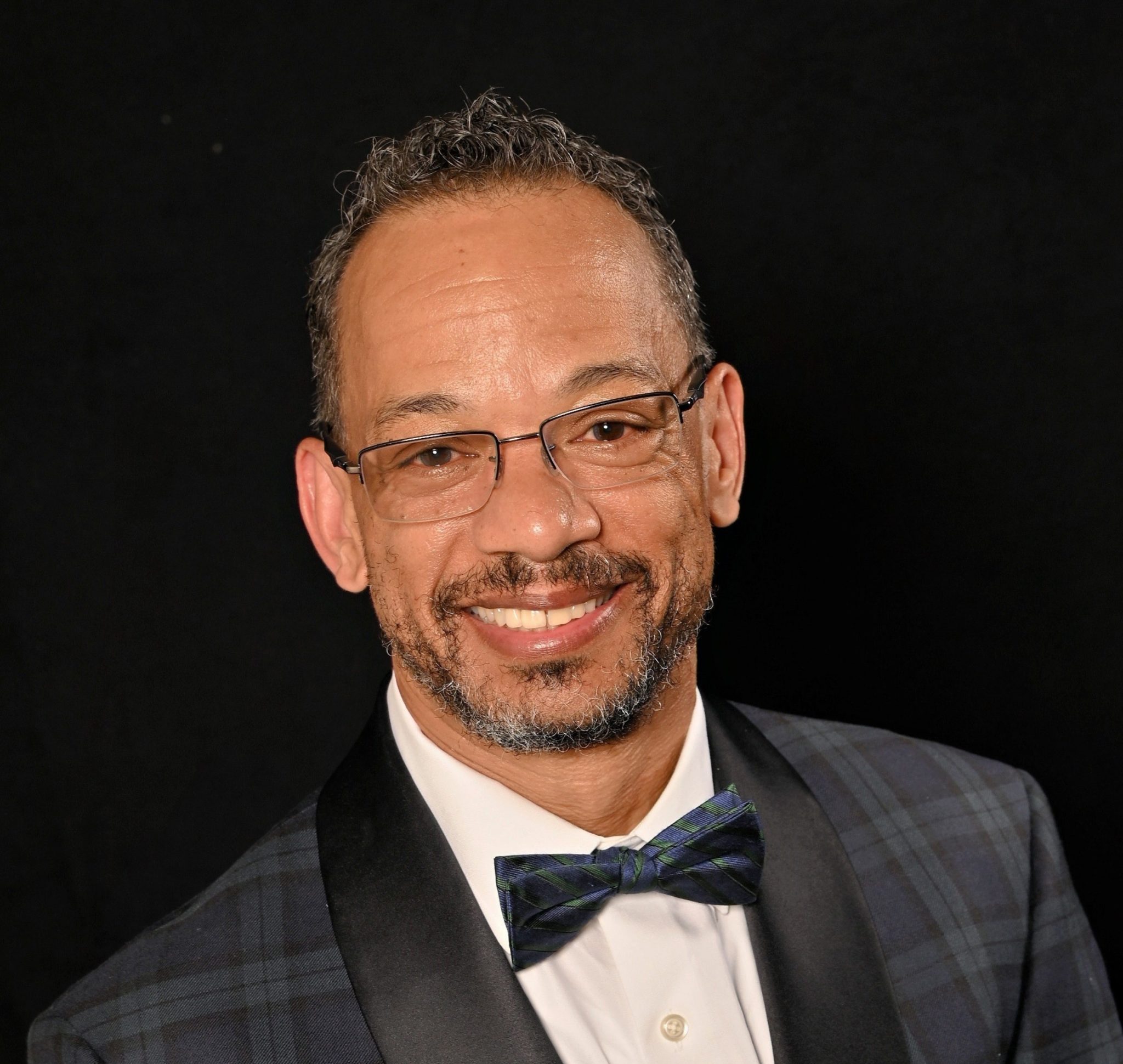
Honoring Community and Connection With Mental Health Hero Vincent Tilford
Vincent Tilford’s path to serving older adults began decades ago, when he was working in community development and visited rural communities in Arkansas. There, he witnessed firsthand how isolation, limited access to services and the weight of poverty shaped the lives of older adults.
Those early experiences, combined with a career that spanned banking, affordable housing, philanthropy and nonprofit leadership, would eventually guide him toward his life’s work. Today, his leadership at Hannan Center reflects a clear belief that connection is essential to well being, especially as people age.
As a 2025 recipient of the Leonard W. Smith Mental Health Hero Award from the Ethel and James Flinn Foundation, Vincent is reflecting on his journey and preparing for a dedicated period of rest and renewal. We caught up with him to talk about the recognition, his path and how he hopes to use his time away to strengthen both his organization and the region he serves.
Q&A With Vincent Tilford, President and CEO, Hannan Center
Q: How did you feel when you learned you were receiving this award?
A: It was a complete surprise. At first, I honestly thought I was being invited to serve on a committee. When I found out I’d been selected, I felt deep gratitude. It made me think about my career, the people I’ve served and how important this work is. I also immediately thought of my staff. They’re incredibly dedicated, and I want to make sure this time away will be meaningful for them too.
Q: What shaped your early interest in serving older adults?
A: My interest started when I was younger and working in community development. I visited rural areas in Arkansas where older adults were living in deep poverty, often alone and without access to transportation or care. I saw how isolation affected their health. We know today that isolation can be as damaging as smoking or unhealthy eating. I understood then that people suffer not only from a lack of resources but from a lack of connection. That stayed with me throughout my career.
Q: You worked in several sectors before you landed at the Hannan Center. How did those experiences prepare you for your current role?
A: My career has been anything but linear. I started in banking, then moved into affordable housing, community development and later philanthropy. In each role, I learned how systems impact the daily lives of individuals and families. I worked with communities in Little Rock and St. Louis and saw how access, opportunity and dignity shape people’s well being. When I came to Hannan, everything clicked. All those experiences helped me understand how to build programs and partnerships that support older adults in meaningful ways.
Q: What do you see as the biggest challenges for older adults in southeast Michigan?
A: One of the biggest challenges is invisibility. Older adults contribute so much to our region, yet they’re often left out of policy decisions, planning and public conversations. Ageism plays a huge role in that. We also have major gaps in transportation, housing and health care. Many older adults don’t see themselves reflected in the systems designed to serve them. When people feel invisible, their mental health suffers. Everyone deserves to feel valued and connected, especially as they age.
Q: Hannan Center is known for its creative aging programs. How do the arts support mental health for older adults?
A: The arts are transformative. When older adults take a writing class, join a choir or learn a new skill, they aren’t just creating art. They’re building confidence, reducing isolation and forming friendships. Creative aging is about dignity and engagement. It’s about supporting people as they continue to grow, discover new talents and share their stories.
Q: You say that at some point, everyone is in a caregiving role, and many of us are unprepared. What do people need to know?
A: Caregiving is hard work. It’s emotional, it’s physical and it can be overwhelming. A lot of caregivers feel guilty asking for help or they feel like they’re failing if they can’t do everything themselves. That’s not true. No one should have to do this alone. At Hannan, we help caregivers understand what’s available to them and we remind them that they deserve support too. When caregivers feel seen and supported, their mental health improves, and that has a direct impact on the people they care for.
Q: What does the Leonard W. Smith Mental Health Hero Award mean for you and your leadership team?
A: It reinforces the importance of what we do and gives my team an opportunity to grow. I have a strong leadership team and I trust them. This time away won’t just be about my own renewal. It will give others room to step forward, take on new challenges and build their confidence. Succession planning is always on my mind, and this award gives us a chance to put that into practice.
Q: How do you plan to use your time away?
A: I plan to rest, reflect and write. I’ve been working on a book about caregiving for a long time, and this is an opportunity to make real progress. I also want to explore how emerging technologies like artificial intelligence can strengthen nonprofits. There’s potential to make services more efficient and more responsive to the needs of older adults. Taking time away will give me the space to think creatively about the future of Hannan and what’s possible for our region.
Q: What do you most want people to know about aging and mental health?
A: That aging is not something to fear. It’s a chapter of life that deserves the same attention, dignity and support as any other. Mental health is part of that. When older adults feel connected, respected and valued, their quality of life improves. Everyone has a role to play in making that happen.
Learn more about Vincent Tilford and the Hannan Center. Find out about the Leonard W. Smith Mental Health Hero Award and the Ethel and James Flinn Foundation.